Insights
From market ideas to evidence-based decisions.
Research, frameworks, and practical guidance for discovering opportunities, analyzing markets, testing strategies, managing risk, and making more structured trading decisions.

Seagate insiders sold $114 million. The footnotes explain why.
The CEO and CFO's reported sales followed performance-share settlements and were issuer-mandated to cover tax withholding.

NVIDIA's former chief scientist bought Salesforce again. The pattern matters.
David Blair Kirk's latest near-$1 million purchase followed three earlier additions, bringing verified buying to about $2.87 million.

Six Redwood Trust insiders bought in one week. What deserves a closer look?
About $969,000 of purchases across six insiders creates a focused research question about earnings, housing finance and book value.

Nayax fell about 20%. Then its CEO bought $4.6 million.
Yair Nechmad's purchase and David Ben-Avi's smaller additions create a two-insider research pattern against a mixed growth and cash-flow backdrop.

Grab's CEO bought nearly $30 million. Its president bought too.
Two senior executives reported about $30.7 million of purchases. Those completed transactions tell a different story from a corporate buyback authorization.

CrowdStrike's $125 million sale: the detail that changes the story
Eight sale rows described one CFO's activity across direct holdings and trusts. A trading-plan footnote changes how the timing should be interpreted.

Buffett's Berkshire added $349 million of Lennar. The sequence tells the story.
A weak quarter, six trading days of purchases and two public filings reveal why connecting the evidence is more useful than reading one headline.

Two Howard Hughes insiders bought shares. Here is what the filings revealed.
Two Howard Hughes insiders disclosed purchases on the same day. See how TradingEdgeIQ connected the separate SEC filings into one high-confidence research event.

Ryan Cohen Bought GameStop Again. What Six Insider Purchases Revealed
Ryan Cohen and three GameStop directors disclosed six open-market purchases worth about $48.5 million. Connecting the filings revealed a stronger research pattern than any one transaction showed alone.

Would Your Trading Strategy Survive One Small Parameter Change?
A stable region of viable settings can be stronger evidence than one spectacular historical peak.

Can a Profitable Trading Strategy Still Fail a Prop-Firm Challenge?
Challenge outcomes depend on trade sequence, drawdown rules, sizing, and time constraints, not only the strategy's average return.
Two Upstart Filings. One Bullish-Leaning Picture.
Upstart's CEO made a $1.28 million open-market purchase near recent support. A second filing showed an option exercise and partial sale. Read why the two signals carry different weight.

Is Your Trading Strategy Profitable on Paper, but Fragile in Reality?
A profitable backtest can still hide unreliable data, concentrated gains, painful drawdowns, or assumptions that fail under scrutiny.

Crypto is moving. What deserves your attention?
Look beyond a green price change. Compare crypto momentum, timeframes, scores and screening conditions, and receive relevant Telegram updates without watching the dashboard.
Contract Win. Time to Buy? How Investors Can Read Government Contracts
A government contract can support an investment thesis, but the amount alone is not enough. Learn what makes a useful research lead and how TradingEdgeIQ scores contract activity.

AXON: What Were Federal Agencies Buying?
Axon's lobbying disclosures and federal contract records tell complementary stories about public-safety technology. Connecting them reveals what investors should investigate next.
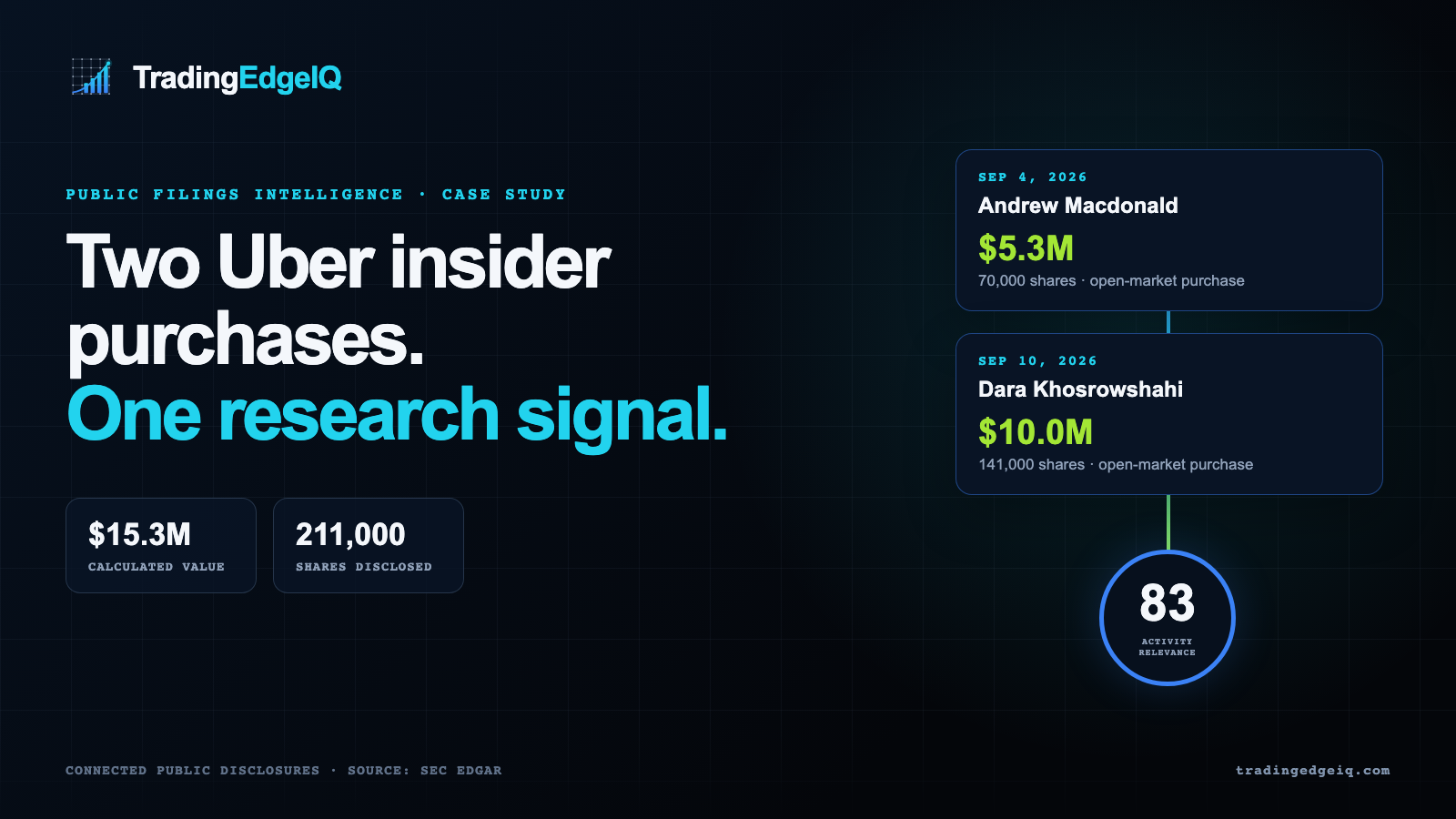
Two Uber Insider Purchases, One Research Signal
Two Uber executives disclosed about $15.3 million in open-market purchases. Reading the filings together shows how connected evidence can help investors decide what deserves a closer look.

Six Angel Studios Purchases, One Sustained Pattern
An Angel Studios director disclosed six open-market purchases across four weeks. Connecting the filings reveals a sustained pattern that is easy to miss one form at a time.
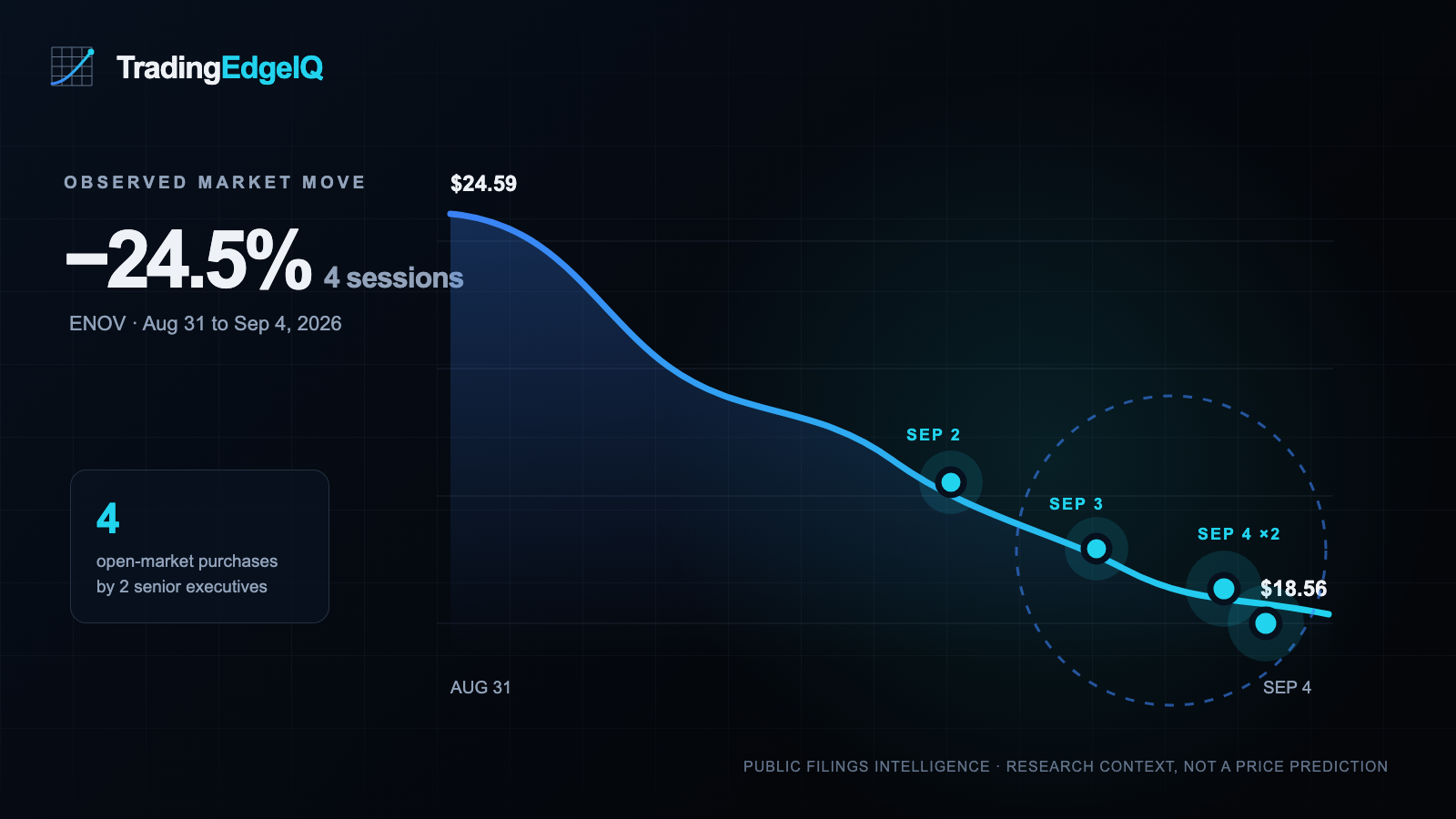
The Enovis Insider Cluster: What Four Purchases Revealed During a 24.5% Drop
Two Enovis executives made four open-market purchases as the stock declined following the eCential Robotics announcement, showing how related filings add context without predicting price.

That "Big Fund Buy" May Be 45 Days Old
Form 13F is a delayed snapshot of certain reported long positions, not a live alert or a complete view of a manager's portfolio.

Bill Gates’ $119 Million Waste Bet: What the Headline Leaves Out
Cascade bought approximately $119 million of Republic Services shares. The 0.47% addition to its existing holding reveals why ownership, earnings, competitors, and valuation matter.

Beyond the Buy: Inside Amrize’s Disclosures
A closer look at the ownership, timing, and size behind Amrize’s insider purchase filings, including approximately $1.27 million across direct and spouse-held ownership.

Millions Spent. What Are They Trying to Change?
A lobbying total shows reported spending. The issue, identity, timing, and business exposure explain why the filing may matter.
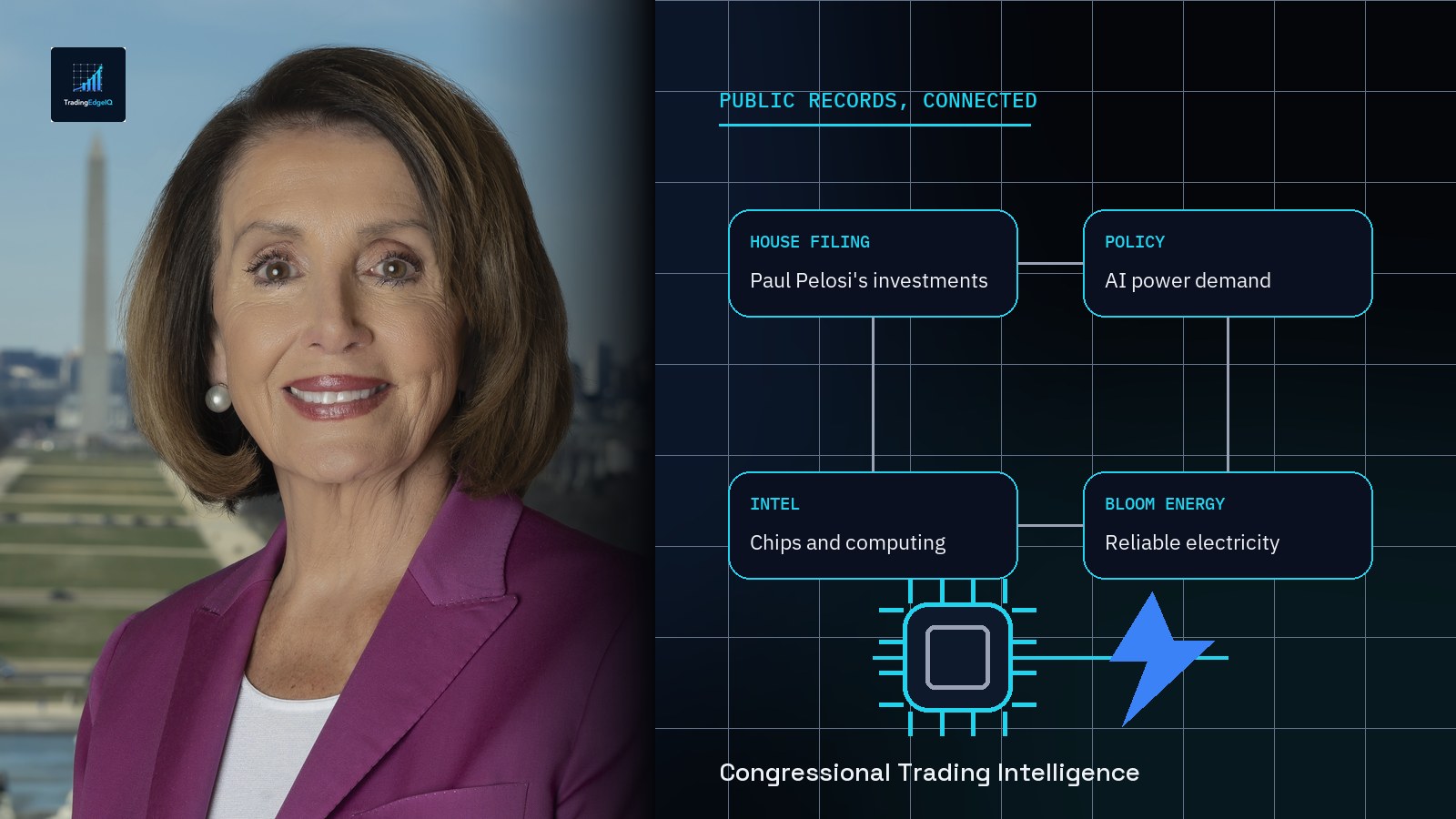
The AI Bet Nancy Pelosi Disclosed
What Paul Pelosi bought, what the public records reveal, and what they do not prove.

Big Contract. Big Impact?
A large contract ceiling can generate a compelling headline even when the amount funded now, timing, and business impact remain uncertain.
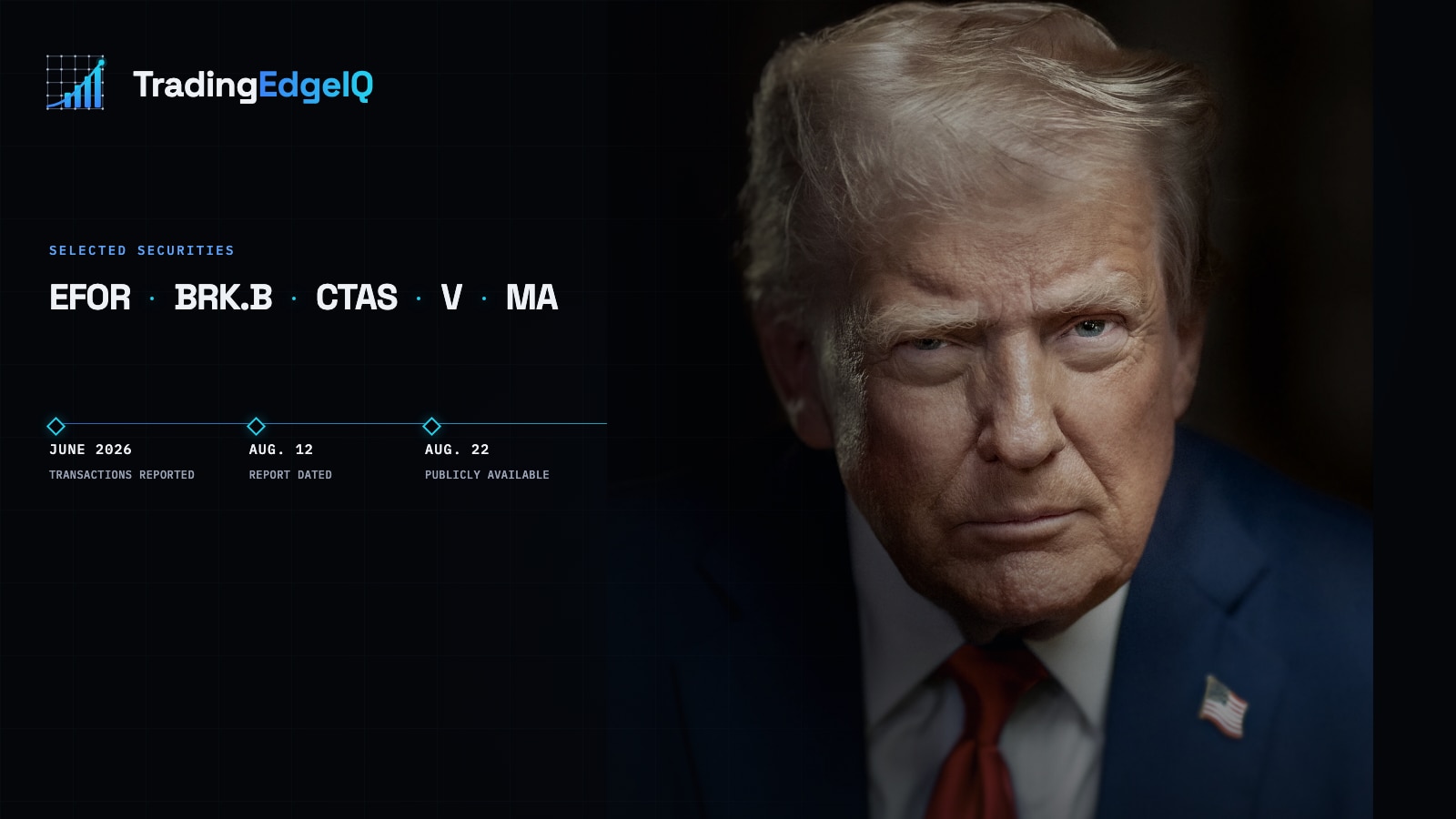
Donald Trump Disclosed 1,051 Trades. Which Ones Mattered?
A large presidential disclosure made headlines for its size. The more useful lesson came from separating ranges, directions, evidence, and the dates when each fact became public.

Same Code, Different Evidence: What Two MAIR Purchases Reveal
Two Madison Air Solutions purchases used the same SEC transaction code on the same day. The filings show why ownership, role, counterparty, structure, and footnotes matter more than the headline amount.

Insider Bought. What Did They Actually Buy?
The word \"purchase\" can describe several different insider transactions. The SEC filing shows how the shares actually moved.

Why a $1.44 Million Insider Purchase Needed More Context
The CCHH filing showed a 5.22 million-share acquisition, then revealed that about 93% of those shares were transferred. The structure changed the interpretation.
Before You Copy That Trade: 3 Checks for a Congressional Purchase
A congressional disclosure can identify a reported transaction, but it cannot tell another investor whether copying it is a safe decision.

Why Insider Clusters Deserve a Closer Look
Seven CDNL insiders disclosed related open-market purchases. This case study shows how corroborating filings changed the research-attention score.

Why the Smaller Boston Scientific Story Ranked First
Five BSX purchases by three independent insiders formed a 73-point cluster. This case study shows why context can matter more than transaction size.

The Best Parameter Is Often the Wrong Answer: Why Robust Ranges Matter More Than a Single Optimum
Optimization can find the setting that won the past. Robustness testing asks a harder question: whether the strategy still works when the setting, period, costs, or market regime changes.

The Backtest Is Not the Strategy: Five Ways a Profitable Result Can Still Be Fragile
A profitable backtest answers what happened under one test. It does not explain why it happened, or whether the edge survives contact with costs, different parameters, another market regime, or a different order of trades.

From Trading Idea to Trading Decision: A More Structured Research Workflow
Why the distance between spotting an opportunity and acting on it matters more than most traders realize.