
How to evaluate insider buying clusters without double counting
Use source filings, distinct buyers and public disclosure dates to evaluate insider buying clusters. Separate repeated rows from independent evidence.
Anuj Saxena · Founder, TradingEdgeIQ
Six transaction rows do not necessarily mean six insiders chose to buy. Counting the right unit changes the pattern you see.
This guide explains how to evaluate a buying cluster: establish what qualifies, reconcile repeated or linked disclosures, separate independent buyers and preserve when the evidence became public. Previously, insider buying versus selling examined transaction mechanisms. Next, how to read SEC Form 4 takes the method back to the individual source.
Several purchases can focus company research
When several people disclose purchases in the same company over a defined period, a researcher can investigate a company-level pattern rather than assemble each disclosure in isolation.
The pattern is useful because it creates specific questions: who increased exposure, how their roles differ, whether purchases continued, and how the activity relates to the business outlook.
Rows, filings and buyers are different counts
One person can buy on several days or report several prices. Several reporting people can disclose interests in the same underlying transaction. An amendment may add information to an existing record.
The SEC Form 4 instructions explicitly allow several beneficial owners to report the same transaction individually or jointly. They also explain amendments. Those provisions are why raw filing totals cannot establish independent buying decisions.
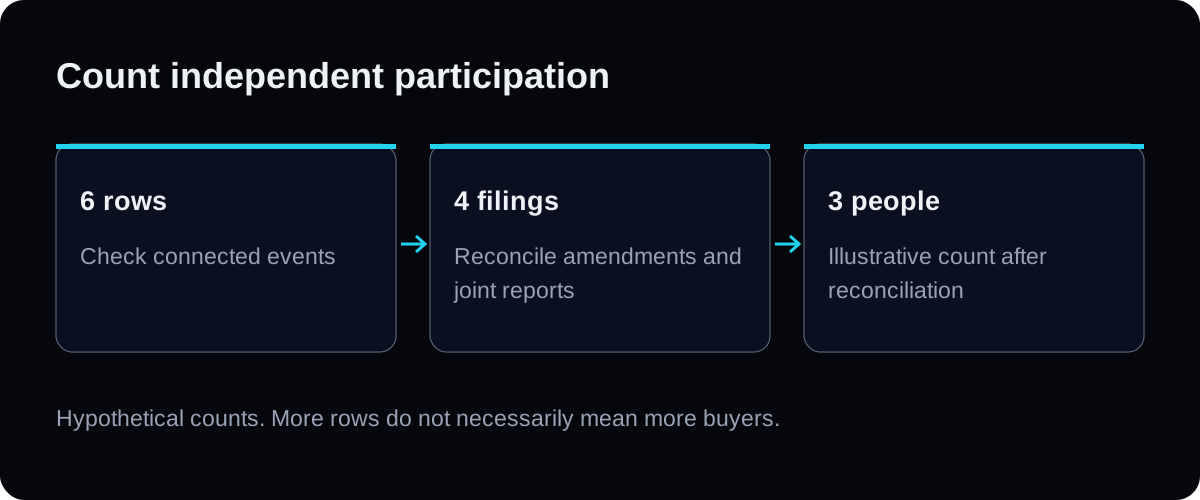
Reconcile the source events before counting independent participation. This diagram illustrates the method with hypothetical counts, not a company result.
How do you establish a useful cluster?
1. Define the window and qualifying activity
State the company, time period, security and transaction criteria before counting. Distinguish open-market and private purchases from award or exercise activity when the evidence permits it. Apply the same criteria throughout the analysis.
2. Reconcile the source records
Keep accession numbers and original filing links. Check amendments and linked ownership disclosures. A source correction should update the relevant event rather than create a second purchase in the total.
3. Separate repetition from independent participation
Repeated buying by one insider describes persistence by that person. Buying by distinct, independent reporting units provides another type of corroboration. Both can matter; record them separately.
4. Preserve the disclosure timeline
Maintain a transaction-date timeline and a public-disclosure timeline. When evaluating the pattern as it developed, include only evidence that was public at each observation point. Otherwise, a retrospective cluster can appear more complete than a researcher could have known at the time.
5. Read shared explanations
Several insiders can participate in the same type of compensation event. For example, Seagate's CEO filing and CFO filing each explain issuer-required tax withholding after awards settled. Multiple participants alone would not establish discretionary selling conviction.
That example concerns sales, but the checking discipline applies to buying too: examine the mechanism before interpreting the head count.
Use the pattern to direct the next investigation
A useful cluster note describes the qualifying events, independent participants, dates, ownership context and remaining uncertainties. Then it names the business question worth researching.
The existing insider-cluster case study illustrates company-level corroboration. Read its dated result as a historical research snapshot rather than a current opportunity or prediction.
TradingEdgeIQ's Public Filings Intelligence helps connect disclosure evidence for this kind of research. Explore the public sample, then check the linked originals and decide what additional business evidence is needed.
The takeaway
A cluster becomes meaningful when the counting method is explicit. Reconciliation, independent participation and disclosure timing make a pattern easier to evaluate and reproduce. Its purpose is to focus the next research step.
Return to insider buying versus selling for transaction context. Continue to how to read SEC Form 4 for the source-level method behind the count.
Sources
- SEC Form 4 instructions on joint reporting and amendments
- William D. Mosley, Seagate Form 4
- Gianluca Romano, Seagate Form 4
Research and analytics only. No auto-trading. No financial advice. Historical and simulated results do not guarantee future performance.
Related